When it comes to nutrition, dietary fiber often gets overshadowed by flashier topics like protein, superfoods, or the latest diet trends. But here’s the truth: fiber is a rockstar nutrient that deserves way more attention. From keeping your gut happy to supporting your heart and even helping with weight management, fiber is quietly working behind the scenes to keep your body running smoothly. Let’s dive into the surprising ways fiber fuels your body and why you should make it a priority in your diet.
What Is Dietary Fiber?
Dietary fiber is a type of carbohydrate found in plant-based foods that your body can’t fully digest. Unlike other carbs, fiber passes through your digestive system mostly intact, but that doesn’t mean it’s not doing important work along the way. There are two main types of fiber:
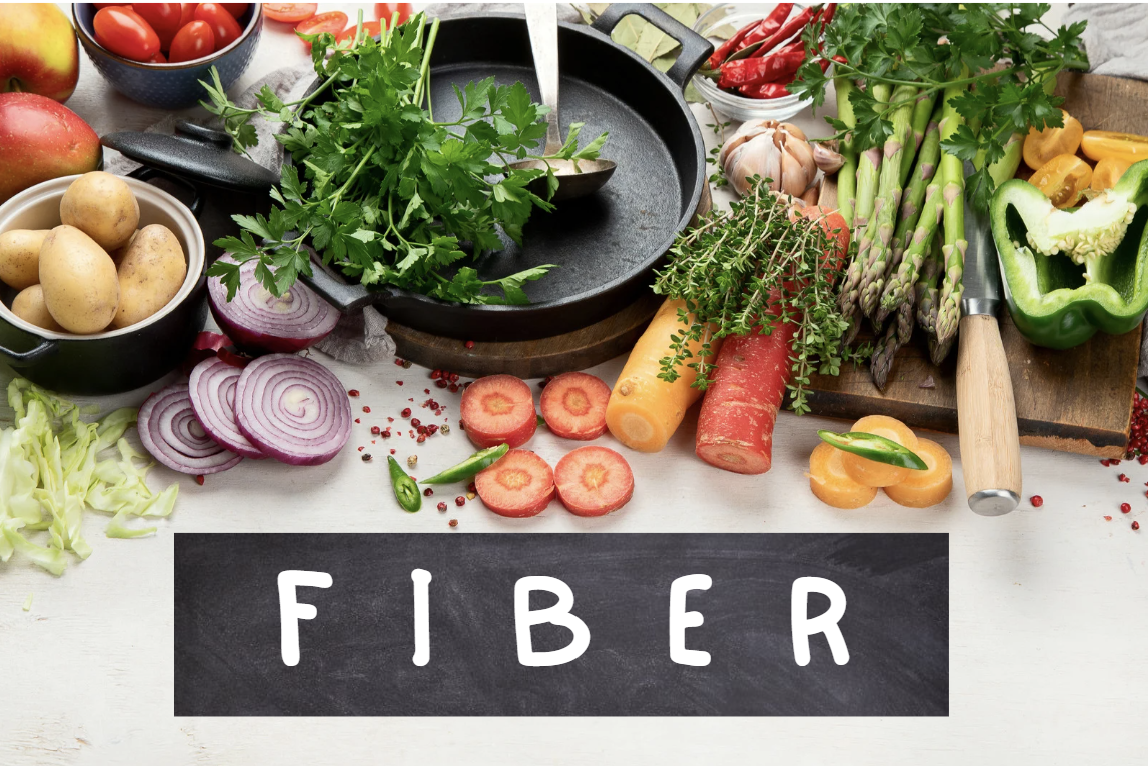
1. Soluble Fiber: Dissolves in water to form a gel-like substance. Found in oats, beans, apples, and citrus fruits.
2. Insoluble Fiber: Doesn’t dissolve in water and adds bulk to stool. Found in whole grains, nuts, and vegetables like carrots and celery.
Both types are essential for different reasons, and most fiber-rich foods contain a mix of the two.
The Surprising Benefits of Fiber
1. Keeps Your Gut Happy
Fiber is like a personal trainer for your digestive system. It keeps things moving, prevents constipation, and supports a healthy gut microbiome. Soluble fiber feeds the good bacteria in your gut, which can improve digestion and even boost your immune system. Think of it as a win-win for your belly!
2. Supports Heart Health
Want to keep your heart in top shape? Fiber’s got your back. Soluble fiber helps lower LDL (the “bad” cholesterol) by binding to it and removing it from your body. Studies show that a high-fiber diet can reduce the risk of heart disease by up to 30%. Now that’s a reason to eat your oats!
3. Helps with Weight Management
If you’re trying to shed a few pounds or maintain a healthy weight, fiber is your secret weapon. High-fiber foods are filling and take longer to digest, which means you stay fuller for longer. Plus, they’re often lower in calories, so you can eat more without overdoing it.
4. Balances Blood Sugar Levels
For those managing diabetes or just looking to avoid energy crashes, fiber is a game-changer. Soluble fiber slows down the absorption of sugar, which helps keep your blood sugar levels stable. This means fewer spikes and crashes throughout the day.
5. Reduces Inflammation
Chronic inflammation is linked to a host of health issues, from arthritis to heart disease. Fiber-rich foods, especially those high in antioxidants (like fruits and veggies), can help reduce inflammation and promote overall health.
6. May Lower Cancer Risk
Research suggests that a high-fiber diet, particularly one rich in whole grains, may reduce the risk of colorectal cancer. Fiber helps move waste through your digestive system more efficiently, reducing the time harmful substances stay in your body.
How to Get More Fiber in Your Diet
The recommended daily intake of fiber is about 25 grams for women and 38 grams for men, but most people fall short. Here are some easy ways to up your fiber game:
1. Start Your Day with Fiber: Choose whole-grain cereals, oatmeal, or add chia seeds to your smoothie.
2. Snack Smart: Reach for nuts, seeds, or fresh fruit instead of processed snacks.
3. Load Up on Veggies: Aim to fill half your plate with vegetables at every meal.
4. Go for Whole Grains: Swap white bread, rice, and pasta for whole-grain versions.
5. Add Legumes: Beans, lentils, and chickpeas are fiber powerhouses. Add them to soups, salads, or stews.
6. Don’t Peel Your Produce: Many fruits and veggies have the most fiber in their skins (think apples, potatoes, and cucumbers).
A Word of Caution
While fiber is amazing, adding too much too quickly can cause bloating or gas. Start slowly, drink plenty of water, and give your body time to adjust. Your gut will thank you!
Final Thoughts
Dietary fiber might not be the most glamorous nutrient, but its benefits are undeniable. From supporting your gut and heart to helping you maintain a healthy weight, fiber is a true multitasker. So, the next time you’re planning a meal, ask yourself: Where’s the fiber? Your body will thank you for it.
Ready to make fiber a priority? Start small, experiment with new foods, and enjoy the surprising ways this humble nutrient fuels your body. After all, good health starts from the inside out—and fiber is here to help you every step of the way.
What’s your favorite high-fiber food? Share your go-to fiber-packed meals in the comments below!