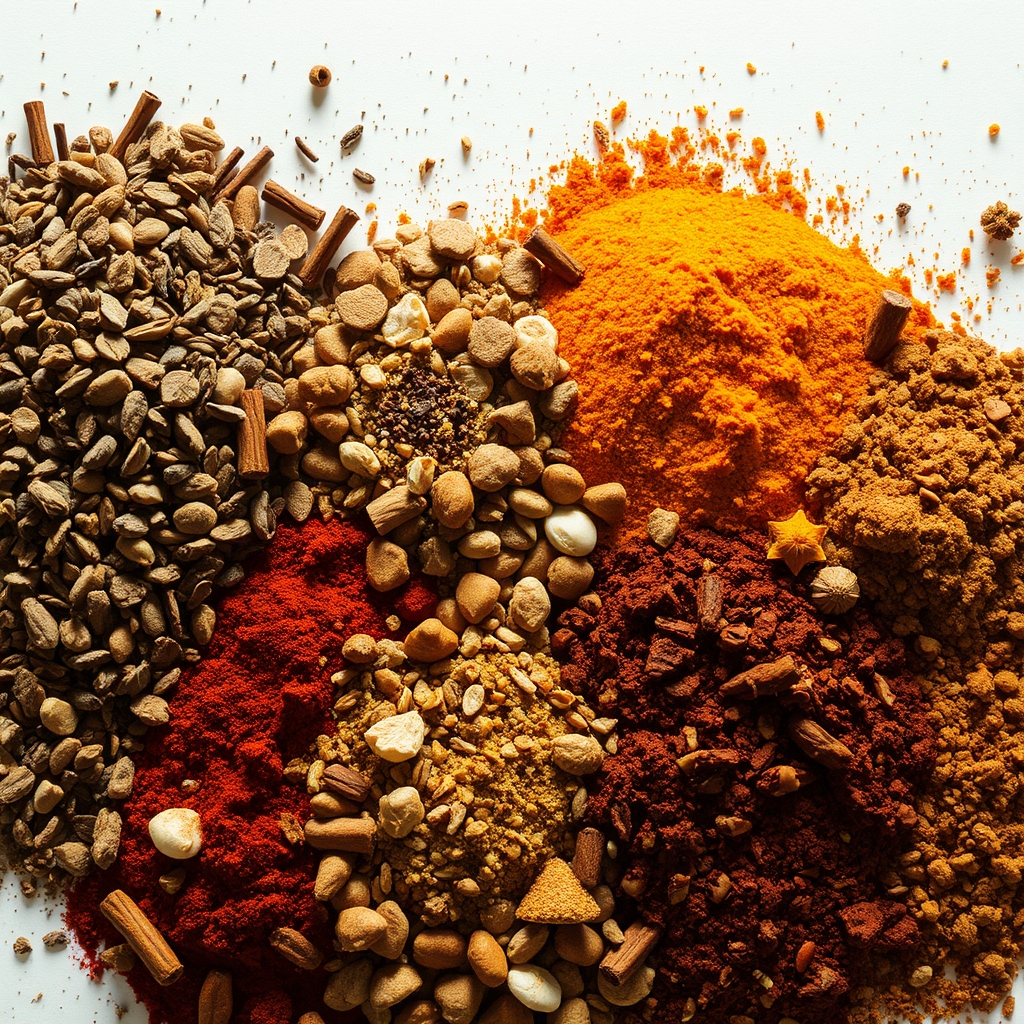
Spices That Fight Cancer: A Kitchen Pantry Must-Have
When it comes to fighting cancer, the kitchen might hold more power than you think. While we often think of medications and treatments as our primary defenses, incorporating anti-cancer foods into our diets can play a pivotal role in prevention. One of the most potent allies against this formidable foe resides right there in our spice rack. Spices not only add flavor to our dishes but also come packed with health benefits that make them true cancer-fighting foods.
Let’s spice things up and delve into some incredible spices that are not only delicious but also contribute to an anticancer diet. You might be surprised to discover that these everyday ingredients have the potential to help prevent cancer, thanks to their rich content of phytochemicals and antioxidants.
Let’s explore seven superstar spices—turmeric, garlic, ginger, cayenne pepper, cinnamon, oregano, and cumin—and discover how each one can contribute to a cancer-fighting diet.
Turmeric: The Golden Guardian
This vibrant yellow spice isn’t just a pretty face, it’s known for its active compound, curcumin, which boasts impressive anti-inflammatory properties. Research suggests that curcumin can inhibit cancer cell growth and even induce apoptosis (cell death) in various types of cancer cells. Sprinkle some turmeric on your roasted vegetables, stir it into soups or make your own turmeric shot for a health boost!
Garlic: The Immune-Boosting Powerhouse
Garlic is more than just a culinary staple; it’s a natural cancer prevention champion! Studies indicate that garlic can enhance the immune system’s response to cancerous cells and may reduce the risk of certain cancers, including stomach and colorectal cancers. Plus, who doesn’t love the aroma of sautéed garlic wafting through the kitchen?
Cayenne Pepper: The Fiery Fighter
If you enjoy a bit of heat, cayenne pepper might just be your secret weapon. Rich in capsaicin, this spice has been linked to inhibiting cancer cell growth and even reducing tumor size in some studies. So go ahead, add some zing to your meals while doing something good for your body!
Cinnamon: Sweetness with Benefits
This beloved spice does more than enhance your desserts; it’s been shown to have potential anticancer properties by reducing inflammation and regulating blood sugar levels. Cinnamon is an excellent choice for those looking for superfoods for cancer prevention. Just remember, moderation is key, no one wants a cinnamon overdose!
The Bottom Line
Your pantry is brimming with potential when it comes to fighting cancer naturally. By incorporating these spices into your daily meals, you not only enhance flavor but also arm yourself with potent anti-carcinogenic foods. So why wait? Embrace these culinary heroes today and take charge of your health! Remember, every little sprinkle counts on the journey towards wellness.
Turmeric: The Golden Spice with Anti-Cancer Benefits
Turmeric, often referred to as the golden spice, is hailed as a miracle herb in traditional medicine for its myriad health benefits. But did you know it also ranks high among anti-cancer foods? This vibrant yellow spice is not just a staple in curry dishes; it’s a powerhouse in the fight against cancer, thanks to its main active compound, curcumin.
The Science Behind Turmeric
Curcumin is the superstar ingredient that gives turmeric its distinctive color and significant health benefits. Research has shown that curcumin possesses strong anti-inflammatory and antioxidant properties. According to a study published in the journal Cancer Letters, curcumin can inhibit the proliferation of cancer cells and may even play a role in preventing cancer from spreading. Talk about multitasking!
How Does It Work?
Curcumin’s anticancer effects can be attributed to several mechanisms:
- Inhibition of Cell Growth: Curcumin can disrupt various signaling pathways involved in cell division and growth. This helps prevent cancer cells from multiplying.
- Induction of Apoptosis: It encourages cancer cells to undergo programmed cell death—essentially hitting the “self-destruct” button.
- Anti-Inflammatory Action: Chronic inflammation is a known risk factor for many types of cancer. By reducing inflammation, turmeric can help lower this risk.
- Antioxidant Properties: Turmeric helps neutralize free radicals that can cause cellular damage and contribute to cancer development.
Culinary Uses
You might be imagining how you can add this golden wonder into your meals. Here are some delightful ways to incorporate turmeric into your diet:
- Add it to smoothies for an earthy flavor boost.
- Stir it into soups or stews, enhancing both color and health benefits.
- Create a turmeric latte (or “golden milk”) by mixing it with warm milk or a plant-based alternative, delicious and comforting!
- Toss it with roasted vegetables for an added zing that your taste buds will love.
Super Nutrition Tip!
“While turmeric has significant health benefits, it’s important to combine it with black pepper; piperine, found in black pepper, enhances curcumin absorption by up to 2000%!”
This means that sprinkling a bit of pepper along with turmeric not only amps up the flavor but also maximizes its potential benefits—a simple culinary hack worth remembering!
So stock up on this golden gem and let it work wonders in your body! Remember, every sprinkle counts when you’re building an arsenal against diseases. Here’s to delicious food that does double duty!
Garlic: A Bulb Full of Cancer-Protection
Garlic is not just a flavor enhancer; it’s a veritable superhero in the realm of anti-cancer foods. This little bulb packs a mighty punch with its impressive cancer-fighting properties, making it an essential ingredient in any kitchen focused on health and wellness. But what exactly makes garlic so powerful? Let’s peel back the layers!
The Science Behind Garlic
Garlic contains sulfur compounds, particularly allicin, which are responsible for its distinctive smell as well as many of its health benefits. Research suggests that these compounds can enhance immune function and have potential anticancer effects.
- Immune System Boost: Garlic helps stimulate the immune system to more effectively target and destroy cancerous cells. A strong immune system is a crucial defense against many types of cancer.
- Antioxidant Properties: The antioxidants found in garlic help combat oxidative stress, which can lead to cellular damage—a known contributor to cancer development.
- Inhibition of Tumor Growth: Studies indicate that garlic may help slow down or inhibit tumor growth, particularly in stomach and colorectal cancers.
Culinary Applications
If you’re ready to incorporate more garlic into your diet (and who isn’t?), here are some delectable ways to do so:
- Sautéing: Add minced garlic to your sautéed veggies for an aromatic kick that’s hard to resist.
- Soups and Stews: Toss in whole cloves while simmering for added depth of flavor—and health benefits!
- Baking: Roast garlic bulbs until soft and spread on whole-grain bread for a delicious and healthy treat.
- Dips and Dressings: Blend raw or roasted garlic into hummus or salad dressings for an extra zing!
A Cautionary Note
“While adding more garlic can boost your immunity, remember that moderation is key. Excessive consumption may lead to digestive issues like gas or heartburn—yikes!”
This means it’s best enjoyed in reasonable amounts—think flavor rather than overindulgence! After all, nobody wants their dinner guests running for the mints!
The Bottom Line
If you want to pack your meals with immune-boosting foods, then garlic should be at the top of your grocery list. Not only does it bring flavorful zest to your dishes, but it also arms you with potential protective properties against cancer. So go ahead and embrace this humble bulb; after all, every slice adds not only taste but also a layer of defense against disease!
Ginger: A Zesty Root with Potent Anticancer Properties
Ginger, often recognized for its vibrant flavor and aromatic zest, is more than just a culinary delight—it’s also a powerful player in the realm of anti-cancer foods. This root has been celebrated for centuries not only for its ability to add warmth to dishes but also for its remarkable health benefits, particularly when it comes to combating cancer. Let’s dig in and discover why ginger deserves a cozy spot in your pantry!
The Science Behind Ginger
Ginger contains bioactive compounds like gingerol, shogaol, and zingerone, which contribute to its numerous health benefits. Research indicates that these compounds possess potent antioxidant and anti-inflammatory properties, making ginger a formidable ally against cancer.
- Inhibiting Cancer Cell Growth: Studies have shown that ginger extracts can inhibit the growth of various cancer cells, including those associated with colorectal and ovarian cancers. This is due to ginger’s ability to disrupt the signaling pathways that fuel cancer cell proliferation.
- Inducing Apoptosis: Ginger has been found to encourage apoptosis (programmed cell death) in cancer cells, effectively helping your body eliminate cells that could become problematic down the line.
- Anti-Inflammatory Action: Chronic inflammation is often linked with cancer development. Ginger’s ability to reduce inflammation can help mitigate this risk, making it a key player in an anticancer diet.
- Boosting Immunity: With its immune-boosting properties, ginger helps your body better defend itself against various diseases, including cancer. A strong immune response is essential for identifying and destroying malignant cells.
Culinary Applications
Now that you’re convinced of ginger’s benefits, how can you integrate this zesty root into your meals? Here are some scrumptious suggestions:
- Add it to Smoothies: Blend fresh ginger into your morning smoothie for an invigorating kick.
- Stir-Fry Sensation: Incorporate grated ginger into stir-fries; it pairs beautifully with vegetables and proteins alike.
- Beverages: Brew up some ginger tea or add grated ginger to herbal teas. It’s warming and soothing—perfect for chilly evenings!
- Baking: Use ground ginger in baked goods like cookies or muffins for a delightful zing.
A Word of Caution
“While adding more ginger can enhance your health profile, be mindful of portion sizes; excessive amounts may lead to digestive discomfort!”
This means enjoying it as part of a balanced diet—your tummy will thank you! After all, nobody wants their culinary adventures turning into an episode of “Mystery Stomach Problems.”
The Bottom Line
This flavorful root does more than brighten up your dishes; it’s an essential component for anyone looking to stock their kitchen with superfoods for cancer prevention. So don’t hesitate—add ginger to your grocery list! It’s time to embrace this zesty powerhouse as part of your daily regimen. Remember: every little bit counts when crafting your personal arsenal against disease!
Cinnamon: Sweet Spice Loaded with Antioxidants
Cinnamon, the sweet spice that often finds its way into our desserts and morning coffee, has more to offer than just a delicious aroma. It’s a powerhouse of antioxidants that can potentially play a significant role in an anticancer diet. Research shows that cinnamon may help reduce inflammation and combat oxidative stress—two key players in the development of cancer. So, let’s explore this aromatic wonder and how it can contribute to your journey toward health!
The Antioxidant Arsenal
The magic behind cinnamon lies in its rich profile of antioxidants such as polyphenols. These compounds have been shown to fight off free radicals, which are unstable molecules that can cause cellular damage and lead to cancer. Some studies suggest that incorporating antioxidant-rich foods like cinnamon into your diet can be a smart strategy against cancer.
- Reducing Inflammation: Chronic inflammation is often linked to cancer progression. Cinnamon has been found to lower inflammatory markers in the body, making it an excellent addition for those looking to adopt foods that prevent cancer.
- Regulating Blood Sugar Levels: Cinnamon helps improve insulin sensitivity and control blood sugar levels, which is especially beneficial for individuals with diabetes. Since high insulin levels have been associated with various cancers, maintaining balanced blood sugar could indirectly support cancer prevention.
- Antimicrobial Properties: Cinnamon also boasts antimicrobial effects, which means it can help fend off harmful bacteria and fungi—keeping your immune system strong and resilient.
Culinary Delights
You might be wondering how to incorporate more cinnamon into your meals without overdoing the sweetness. Here are some tasty ideas:
- Mornings Made Better: Sprinkle it on your oatmeal or mix it into yogurt for a breakfast that’s both flavorful and healthful.
- Baking Wonder: Use cinnamon in baked goods like muffins or pancakes where its warm flavor truly shines through.
- Savory Dishes: Incorporate cinnamon into savory dishes such as curries or stews for an unexpected twist—trust us; it adds depth!
- Powers of Beverages: Add a dash of cinnamon to your smoothies or tea for an extra layer of taste and antioxidant benefits.
A Friendly Caution
“While cinnamon offers numerous health benefits, moderation is key! Excessive amounts may lead to liver toxicity due to a compound called coumarin found in Cassia cinnamon.”
This means you don’t need to dump an entire bottle onto your French toast! A few sprinkles here and there will do just fine—your liver will thank you!
The Bottom Line
Cinnamon isn’t just a delightful addition to your favorite recipes; it’s also an invaluable member of the group known as anti-carcinogenic foods. With its multitude of health benefits ranging from anti-inflammatory properties to antioxidant richness, this sweet spice deserves a prominent place in your pantry. So go ahead and embrace the deliciousness while giving yourself a boost against potential health issues—it’s time for some sweet self-care!
Oregano: A Herb for Cancer Prevention
Oregano, often relegated to the background as a mere pizza topping, is actually a powerhouse herb that holds significant potential in the fight against cancer. This fragrant herb, commonly used in Mediterranean cuisine, not only elevates the flavor of your favorite dishes but also packs a punch with its impressive health benefits. Let’s explore how incorporating oregano into your meals can contribute to an anticancer diet.
The Science Behind Oregano
Oregano is rich in bioactive compounds, such as carvacrol and thymol, which exhibit potent antioxidant and anti-inflammatory properties. Studies suggest that these compounds may help shield cells from damage that can lead to cancer development.
- Antioxidant Power: Oregano is loaded with antioxidants that combat oxidative stress—an imbalance in the body that can lead to cellular damage and increased cancer risk. By neutralizing free radicals, oregano helps protect your cells from harm.
- Anti-Inflammatory Properties: Chronic inflammation is a known contributor to various types of cancer. The compounds found in oregano can help reduce inflammation in the body, thus potentially lowering the risk of cancer.
- Inhibition of Cancer Cell Growth: Some studies indicate that oregano extracts may inhibit the proliferation of certain cancer cells. A 2016 study published in the journal Cancer Letters found that carvacrol was effective at inducing apoptosis (programmed cell death) in colon cancer cells.
Culinary Uses for Oregano
You might be wondering how to incorporate this herb more often into your culinary repertoire. Here are some delicious ideas:
- Pasta Dishes: Sprinkle fresh or dried oregano on pasta sauces for an aromatic kick.
- Pizza Night: No pizza is complete without a sprinkle of oregano! Add it to your homemade pie for added flavor and health benefits.
- Marinades: Blend oregano into marinades for meats or vegetables—its bold flavor stands up beautifully against grilling.
- Soups and Stews: Toss some dried oregano into soups or stews for depth; it complements tomatoes exceptionally well!
A Word of Caution
“While oregano is generally safe for most people, excessive consumption of concentrated forms (like essential oils) should be approached with caution due to potential side effects.”
This means enjoying it as part of a balanced diet is key—after all, we want you savoring its flavors, not overdoing it!
The Bottom Line
Add oregano to your pantry not just for its robust flavor but also for its impressive health benefits. This humble herb deserves recognition as one of the superfoods for cancer prevention. With every sprinkle on your dishes, you’re not just enhancing taste; you’re also adding a layer of defense against disease. So why not treat yourself—and your health—to this flavorful powerhouse? In the battle against cancer, every little bit counts!
Chili Peppers: Heat Up Your Diet Against Cancer
Chili peppers might just be the unexpected hero in your kitchen arsenal against cancer. Often viewed simply as a source of spice, these vibrant fruits contain powerful compounds that can contribute to an anticancer diet. So, let’s turn up the heat and discover how incorporating chili peppers into your meals can fight cancer while tantalizing your taste buds!
The Power of Capsaicin
The secret weapon in chili peppers is capsaicin, the compound responsible for their fiery heat. Capsaicin has been studied for its impressive ability to inhibit cancer cell growth and even induce apoptosis—the fancy term for programmed cell death—in various types of cancer cells. It’s like giving those pesky cancer cells a one-two punch!
- Inhibiting Tumor Growth: Research has shown that capsaicin can not only slow down the proliferation of certain cancers such as prostate and breast cancer but may also reduce tumor size. Who knew a sprinkle of spice could pack such a punch?
- Anti-Inflammatory Effects: Chronic inflammation is a known risk factor for many types of cancers. Capsaicin helps reduce inflammation in the body, acting as a natural defense mechanism.
- Boosting Metabolism: Spice lovers rejoice! Chili peppers may also help boost your metabolism. A study published in the journal Cancer Research suggested that capsaicin can enhance fat oxidation and energy expenditure, providing dual benefits for weight management and overall health.
Culinary Applications
If you’re wondering how to add this potent pepper to your diet without turning every meal into a fire-breathing contest, here are some delicious ideas:
- Salsas and Sauces: Spice up your homemade salsa or sauces with diced chili peppers for an extra kick.
- Stir-Fries: Toss chopped chili peppers into stir-fries; they complement vegetables perfectly while adding vibrant color.
- Soups: A dash of chili powder or fresh chilis can transform regular soups into zesty delights—perfect for warming you up on chilly evenings!
- Pizzas and Tacos: Don’t forget to sprinkle them on pizzas or tacos—because what’s better than a little heat with cheese?
A Word of Caution
“While chili peppers offer numerous health advantages, remember that moderation is key; too much heat might lead to digestive discomfort!”
This means it’s best to ease into spicy dishes if you’re not accustomed to them—otherwise, you might find yourself reaching for the milk instead of enjoying the meal!
The Bottom Line
Beneath their fiery exterior, chili peppers are more than just flavor enhancers; they represent an exciting addition to your pantry filled with anti-carcinogenic foods. By incorporating these spicy little gems into your diet regularly, you’re not only adding flavor but also wielding nature’s sharpest tools against disease. So go ahead—heat things up in the kitchen while making strides toward better health! After all, every bit counts when it comes to fighting cancer.
Cumin: An Ancient Spice for Modern Health
Cumin, a staple in kitchens around the globe, is not just a flavor enhancer but also a worthy contender in the realm of anti-cancer foods. This ancient spice has been prized for centuries, not only for its distinctive taste but also for its myriad health benefits. Let’s unravel what makes cumin such a valuable ally in your fight against cancer!
The Nutritional Powerhouse
This tiny seed is packed with essential nutrients, including iron, manganese, and magnesium, vital for maintaining your overall health. But what truly sets cumin apart are its unique phytochemicals that have been linked to cancer prevention.
- Antioxidant Properties: Cumin is rich in antioxidants that help neutralize free radicals—those pesky molecules that can cause cellular damage and lead to cancer.
- Anti-Inflammatory Effects: Chronic inflammation is a well-documented risk factor for many cancers. Cumin’s anti-inflammatory properties can help reduce inflammation in the body, potentially lowering your cancer risk.
- Immune System Support: By boosting your immune system’s function, cumin may enhance your body’s ability to identify and eliminate abnormal cells before they can proliferate.
A Dash of Flavor
Cumin’s earthy flavor makes it incredibly versatile in various dishes. Here are some scrumptious ways to incorporate this spice into your diet:
- Curries and Stews: Add ground cumin to curries or stews for a warm depth of flavor that complements other spices beautifully.
- Tacos and Burritos: Sprinkle it generously into taco meat or bean mixtures; it’ll add an aromatic touch that elevates your favorite Mexican dishes.
- Dressings and Marinades: Mix cumin into salad dressings or marinades for an extra kick; it pairs excellently with citrusy flavors!
- Baked Goods: Surprising as it may seem, a pinch of cumin can add complexity to savory baked goods like bread or muffins.
A Word of Caution
“While cumin is generally safe when used in culinary amounts, excessive consumption may lead to digestive issues for some individuals—you don’t want your dinner turning into an uncomfortable experience!”
The Bottom Line
Cumin is more than just an aromatic spice; it’s a formidable player among the superfoods for cancer prevention. By enriching your meals with this ancient wonder, you’re not only tantalizing your taste buds but also fortifying your health against potential threats. So why not get cooking? Every sprinkle counts on the path toward wellness!
Conclusion: Make Your Kitchen Your First Line of Defense
Your kitchen can be a powerful fortress in the battle against cancer. By stocking up on anti-cancer foods like spices, you’re not just seasoning your meals; you’re fortifying your body with natural defenses. Think of your spice rack as a treasure trove of flavor and health benefits, where each sprinkle serves a purpose in maintaining and enhancing your well-being.
Incorporating spices like turmeric, garlic, and ginger into your daily diet isn’t merely a culinary choice; it’s a proactive step towards wellness. Each pinch carries its own unique set of properties that contribute to an anticancer diet. By regularly including these flavorful powerhouses in your cooking, you’re embracing a lifestyle that prioritizes health and sustainability.
But wait, there’s more! Cooking with these spices doesn’t mean sacrificing taste for health. On the contrary, they enhance the flavors of our meals while working their magic behind the scenes. You might find yourself asking, “How did I ever live without this zesty ginger or fiery cayenne?” And let’s face it, who wouldn’t want to enjoy delicious food that doubles as medicine?
So why not make it a family affair? Get everyone involved in the kitchen—experimenting with spices can turn meal prep into a delightful adventure rather than a chore. You’ll not only educate future generations about healthy eating but also bond over the shared experience of discovering new flavors.
In conclusion, transforming your kitchen into your first line of defense against cancer is as simple as adding some vibrant spices to your pantry. They may seem small, but their impact is mighty when it comes to harnessing nature’s power for health protection. Embrace these culinary warriors and watch how they enrich both your meals and your life!