The Importance of Food Safety
Understand why food safety should be a priority in your kitchen. We’ll explore the concepts of food hygiene, HACCP, and food quality control to help you grasp the bigger picture.
Proper Containers for Safe Food Storage
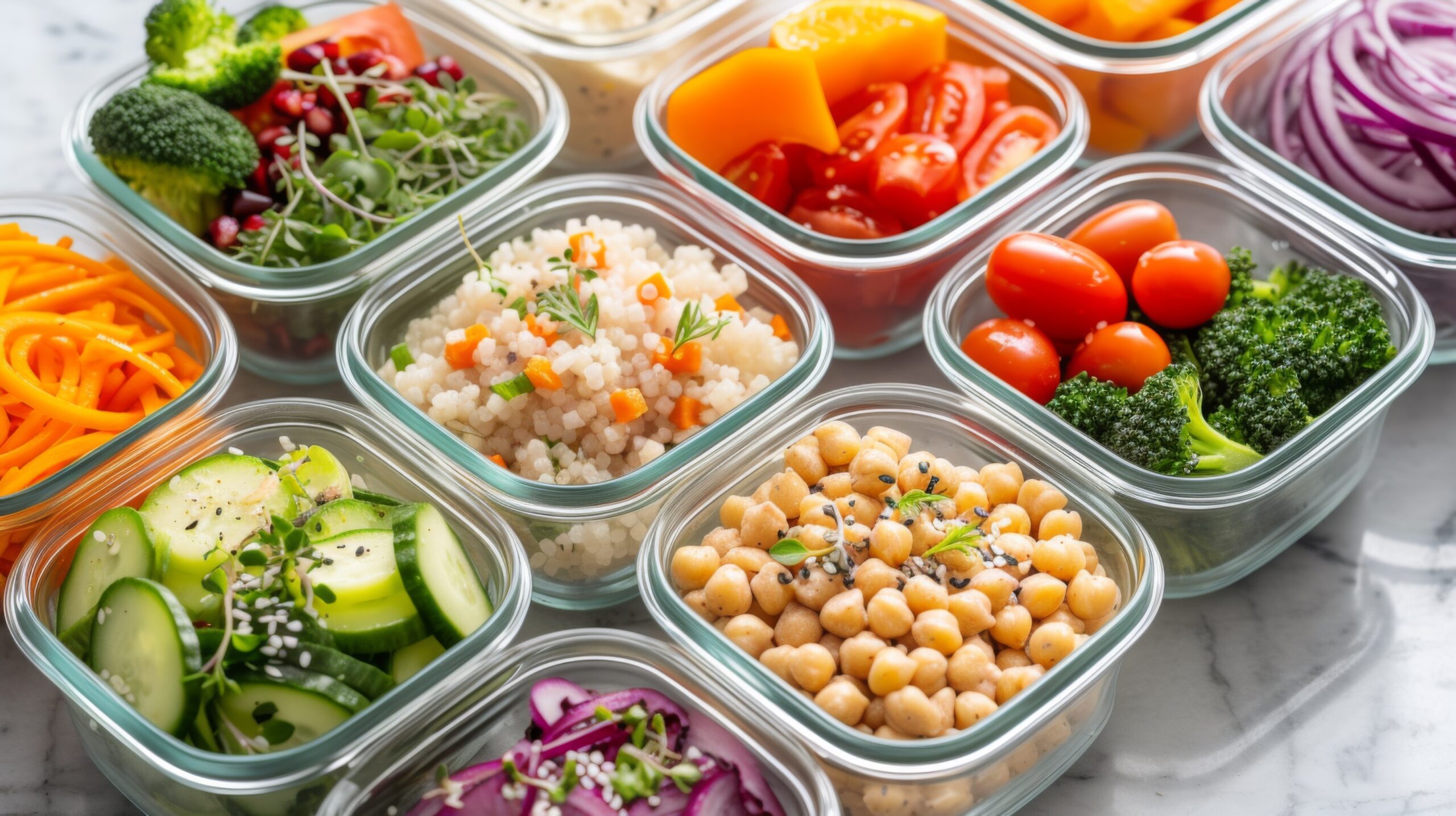
Choosing the right container is critical. Learn about the best materials to prevent chemical hazards in food and ensure proper allergen management.
Food Temperature Control: The Key to Freshness
Discover why keeping track of your refrigerator’s temperature can make all the difference in preventing microbiological hazards in food. We’ll share tips on optimal temperatures for different types of leftovers.
Avoiding Cross-Contamination
Cross-contamination prevention begins with understanding sanitation procedures and personal hygiene in food handling. We’ll provide actionable tips to keep your kitchen a safe zone.
Effective Labelling for Traceability in Food Production
Learn how clear labeling can aid traceability, ensuring that you use leftovers within their safe consumption period. This practice supports consumer protection through safe foods.
Regular Kitchen Inspections: A Proactive Approach
Conducting regular kitchen cleanliness inspections can help identify potential risk factors early on. Embrace simple risk assessment strategies to maintain a hygienic environment.